Fawn & Wildlife Rescue
Posts with helpful information on fawn & wildlife rescue.
-
POICloud flight planning for the M2EA
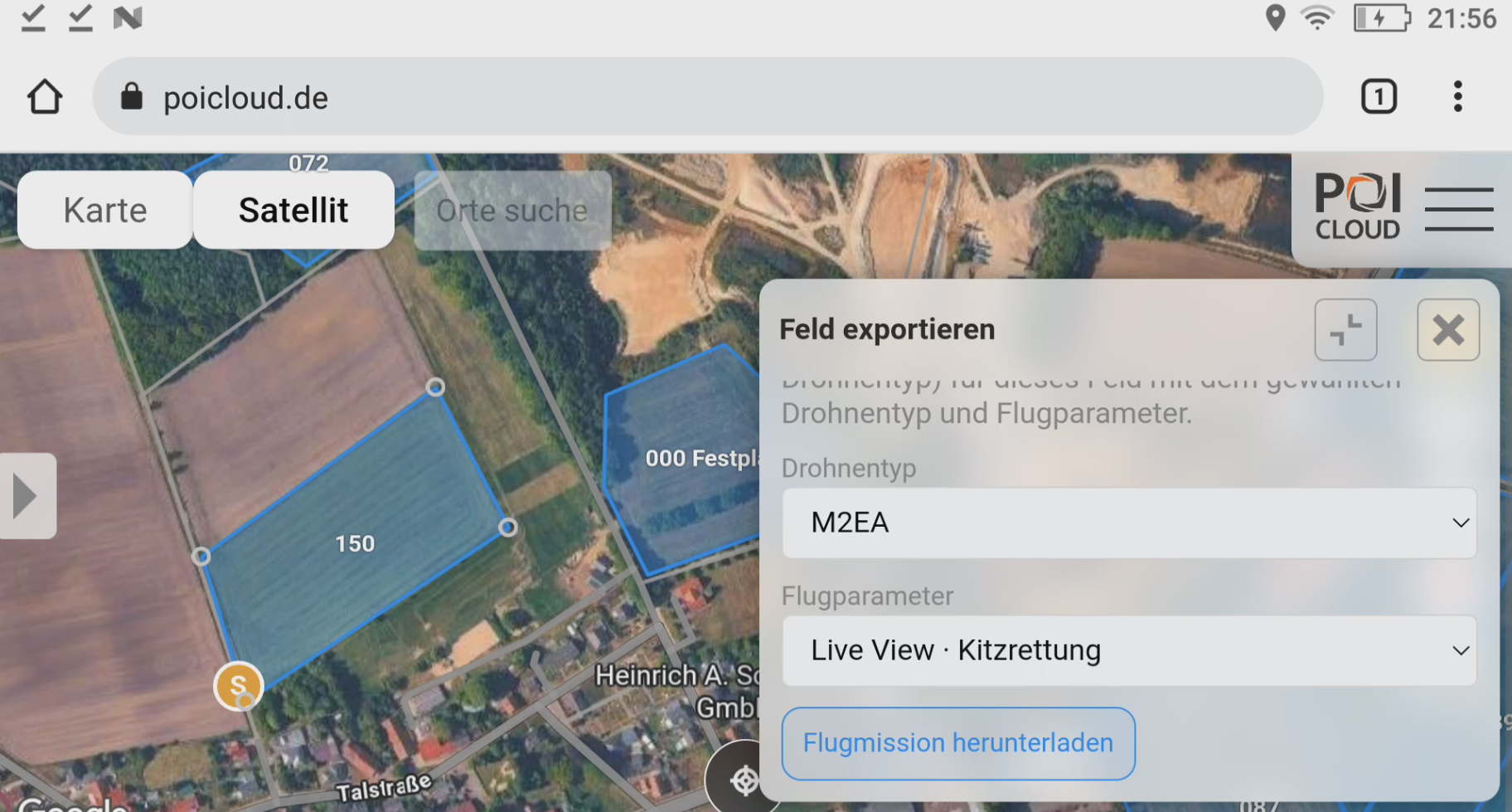
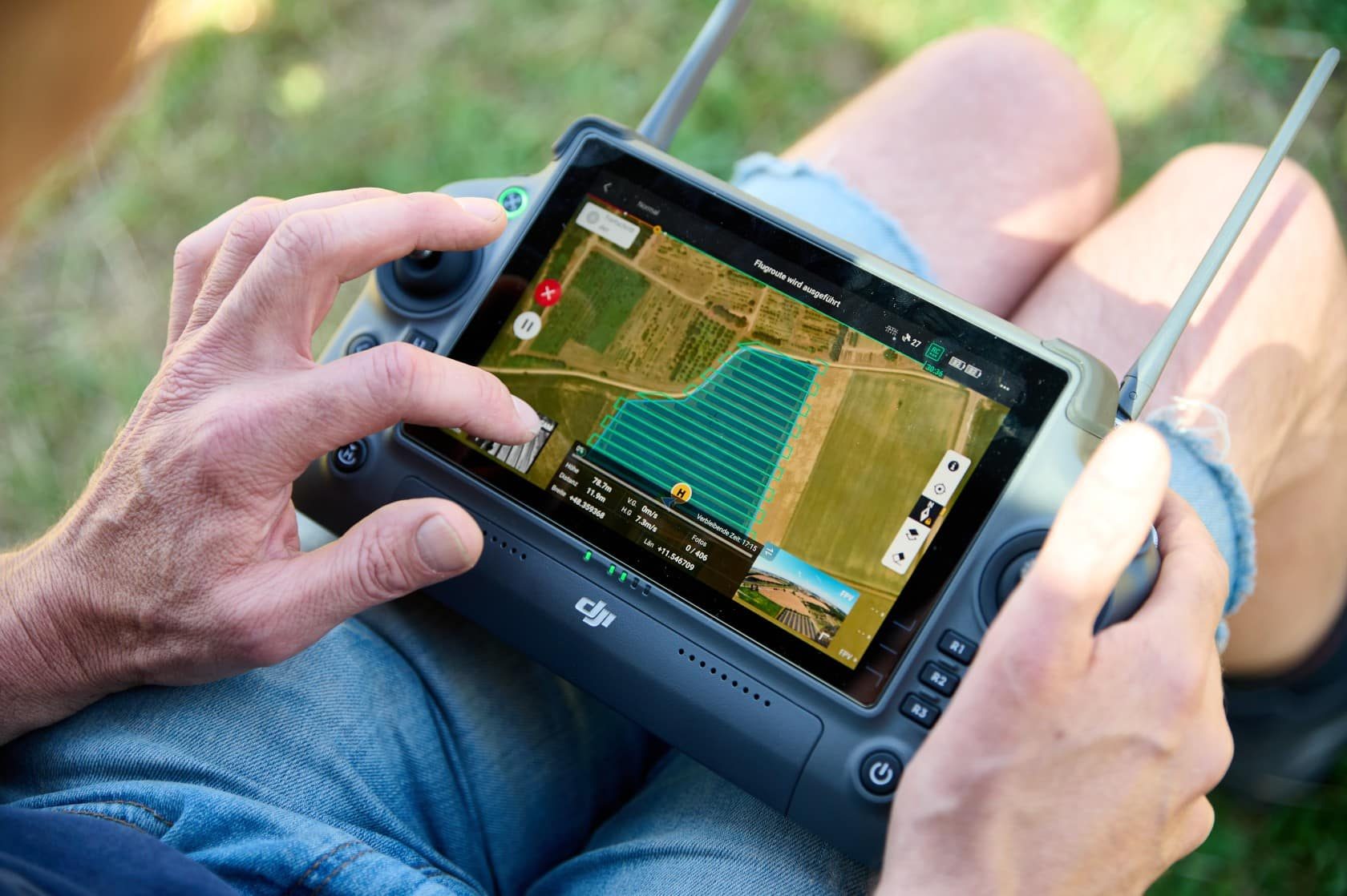
Flight plans for everyone – M2EA now fully available in POICloud. Flight plans for every field can now be downloaded from POICloud – free of charge. This means POICloud fully covers all essential aspects of fawn rescue without a paid subscription. Teams already using the direct drone connection of newer models can now also create missions for the DJI Mavic […]
-
Overview of micro and small-scale funding programs
Various federal and state-level programs are available to associations, initiatives, and organizations to provide small-scale and micro-funding for volunteer work. These programs can be used to support the implementation of projects or purchases. The following table provides an overview of the most common programs:
-
Federal Funding Program for Drones with Thermal Imaging Camera Systems for Fawn Rescue 2025
On March 19, the Federal Office for Agriculture and Food (BLE) published the latest edition of the Federal Funding Program for Fawn Rescue. Eligible for funding are: Not eligible to apply are: One drone including accessories (batteries, propellers, cables, chargers, transport containers, etc.) is funded per association. 60% of the eligible total expenses and a […]
-
Drone Regulations: Exceptions for Wildlife Protection
Deviating Distance Rules for Fawn Rescue
-
Can you Touch Fawns Without Gloves?
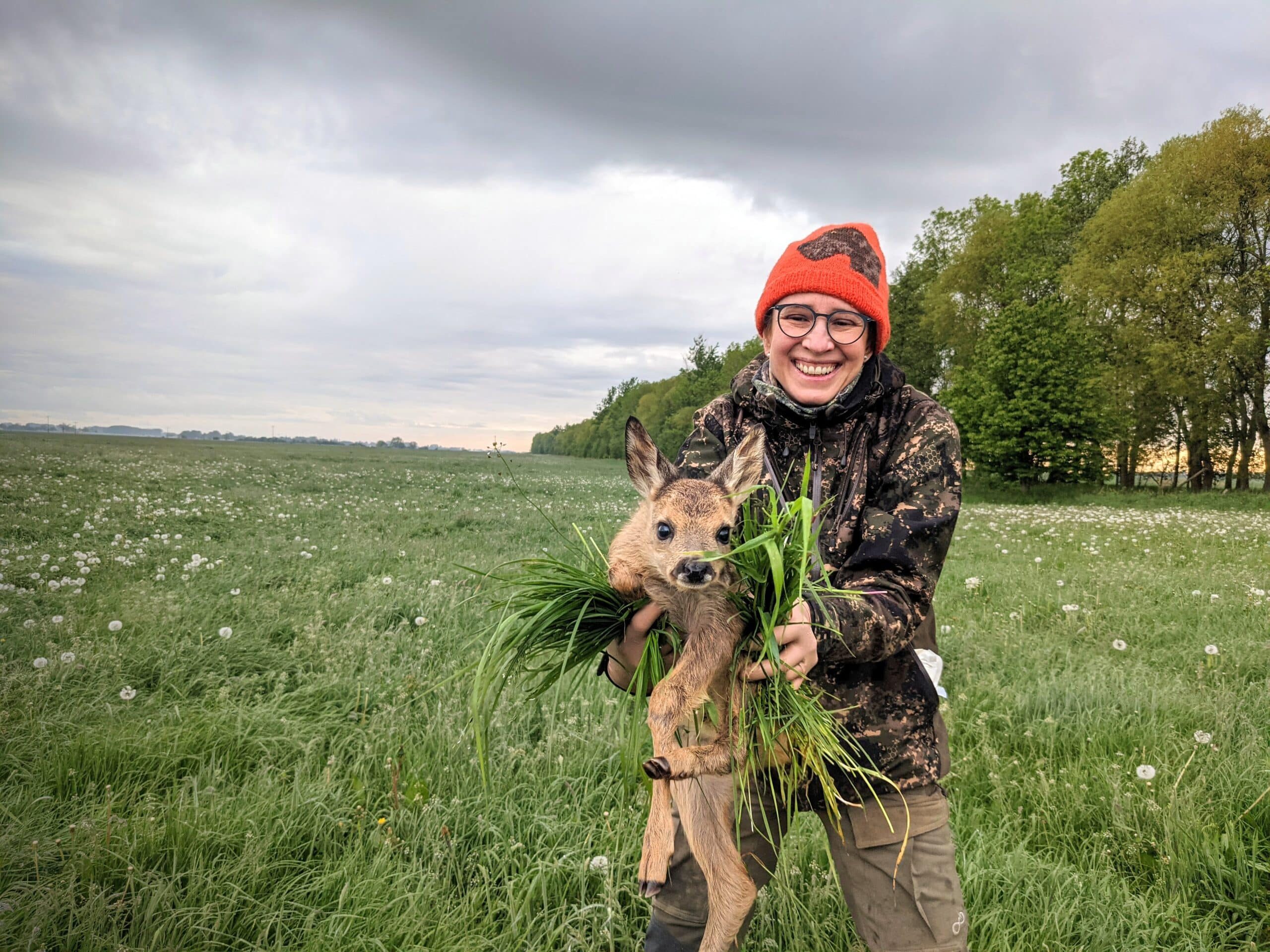
Anyone who has anything to do with fawns knows that you should not touch them with your bare hands. I wholeheartedly agree with this statement. However, I cannot agree with the common reasoning behind it, namely that otherwise they will no longer be accepted by the doe, because this statement is simply false and has […]
-
What are the Optimal Drone Flight Parameters for Fawn Rescue?
You probably know what it’s like: when one person mows, everyone mows! The time pressure involved in fawn rescue is sometimes extreme. That’s why high area coverage and optimally adjusted flight parameters are so incredibly important. But what are the optimal flight parameters? Flight Altitude Let’s first consider the flight altitude. The higher the altitude, […]
-
Can Wildlife Rescue be Considered Poaching?
Poaching is regulated in Section 292 of the Criminal Code. This section protects the right of appropriation of the hunting rights holder. It states: ‘Anyone who, in violation of another person’s hunting rights or hunting privileges, pursues, catches or kills game, or appropriates it for themselves or a third party, or appropriates, damages or destroys […]
-
Economic Consequences of a Mowing Death
Who Suffers Economic Consequences When a Wild Animal is Killed by a Mower? First and foremost, farmers suffer economic losses when animals are killed by mowers. In addition to the legal consequences, which can mean fines of several thousand euros for farmers, contaminated feed caused by carcasses can result in far more serious financial losses. […]
-
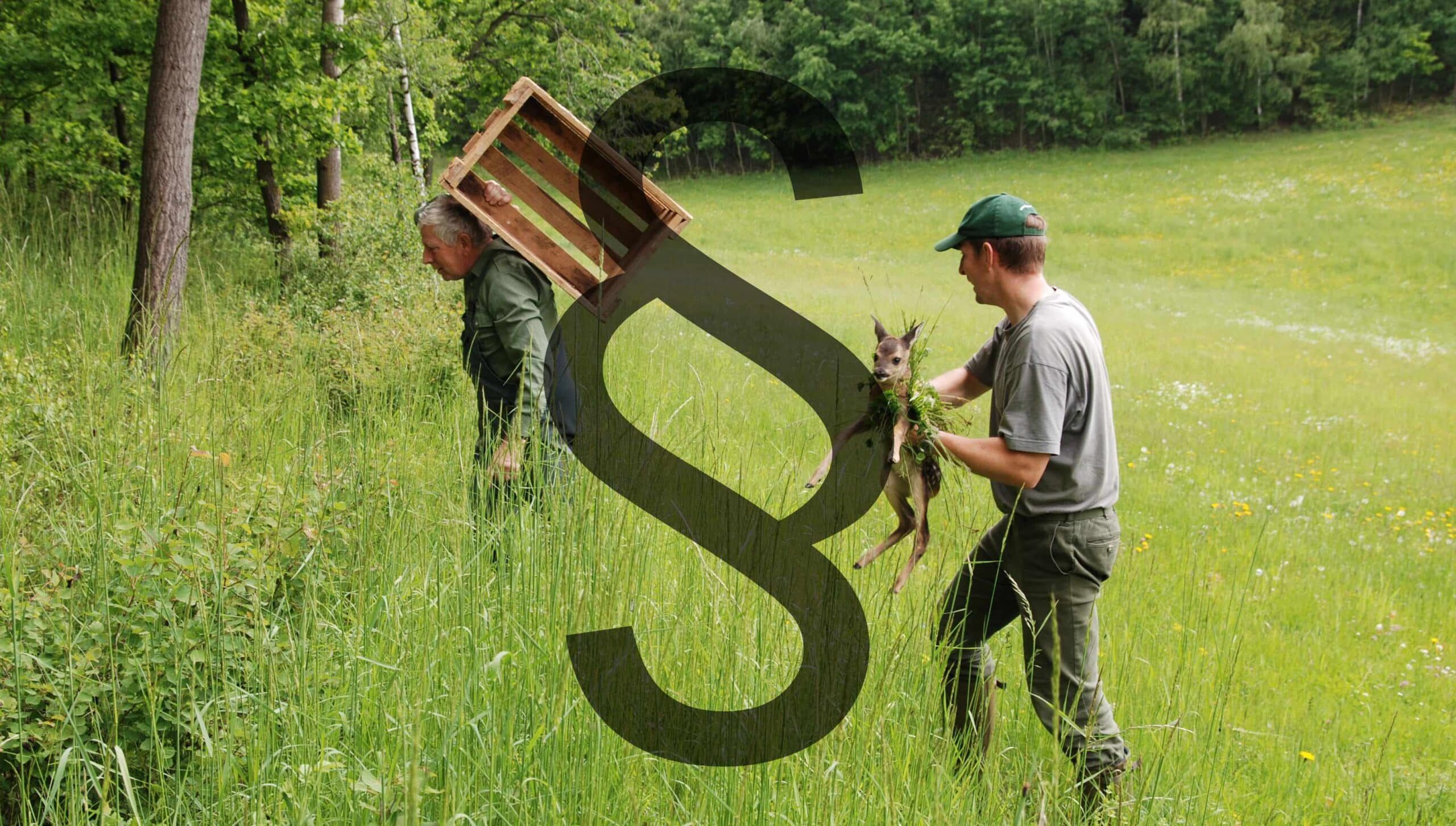
Legal Situation Regarding Wildlife Rescue
Preliminary Remark Below, we would like to provide an overview of the legal situation and some court rulings. This is neither legal advice nor a call to take confrontational action against farmers. Successful wildlife rescue is achieved above all through good cooperation and trust between all parties involved. Mowing is a time of considerable time […]
-
Georeferencing
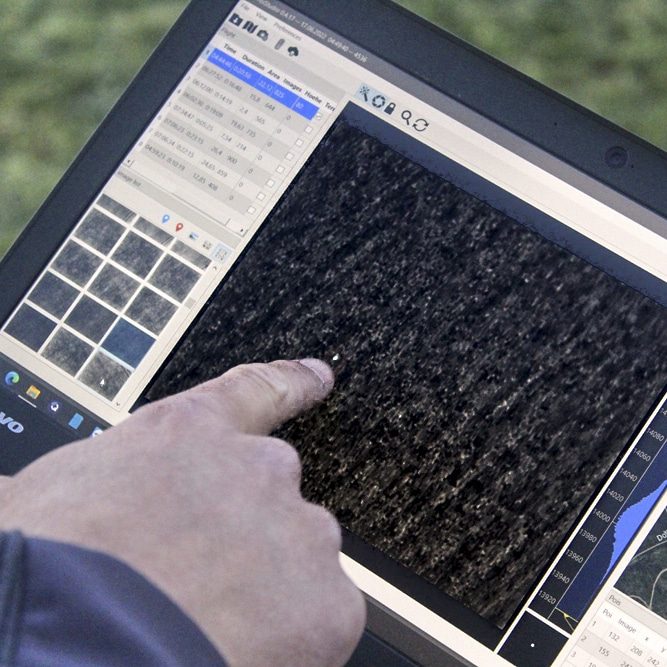
Fawn Rescue with GPS The georeferencing process makes it possible to mark the fawn using GPS and then locate it, thereby saving a lot of flight time. Unlike conventional search methods, which involve searching for fawns and other wild animals in the live image from the thermal imaging drone and interrupting the search whenever a […]
-
Nature and Agriculture
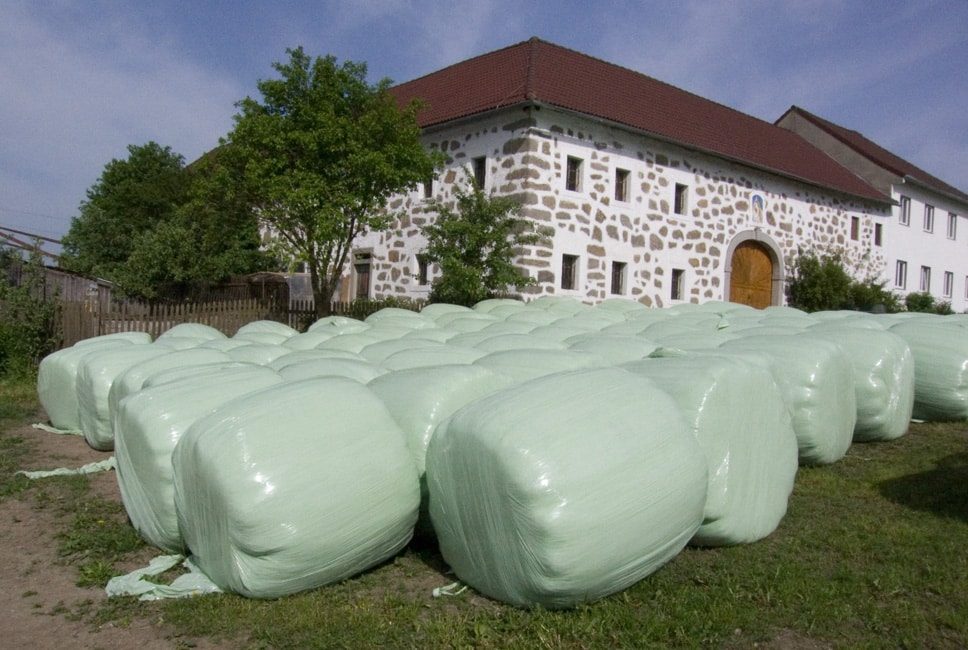
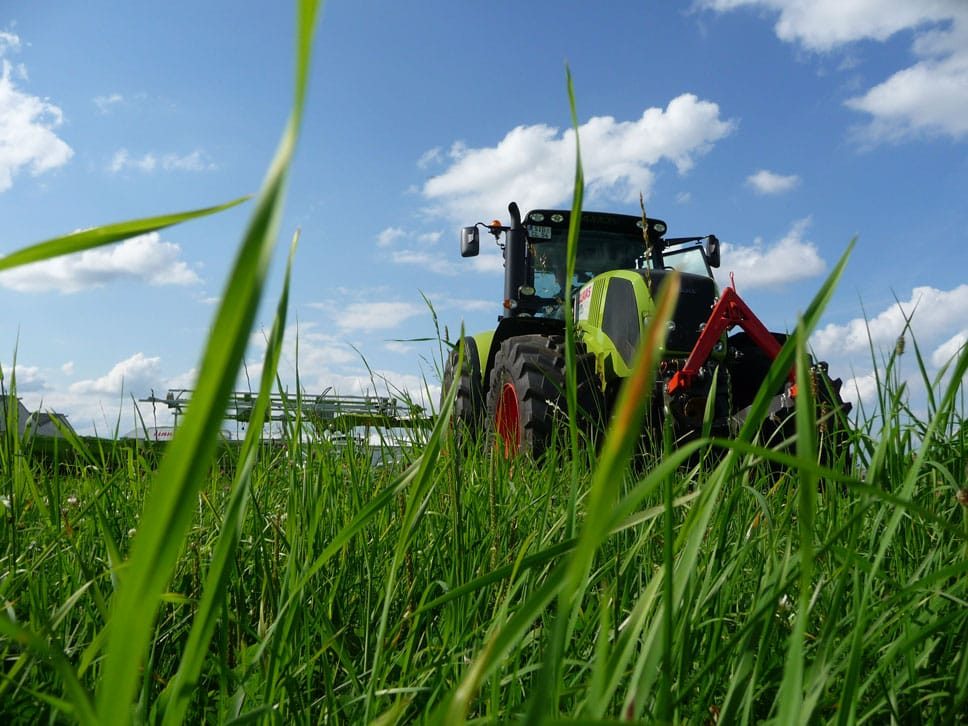
The Impact of Mowing on Wildlife and why we Must Save Fawns From Being Killed by Mowers The Mowing Farmers mow the meadows repeatedly between May and October to obtain feed for their livestock. The mown grass is either fed fresh, ensiled or dried to make hay. Silage and hay are durable and can therefore […]